
The ROI of High-Performance Web Design: Why Speed = Revenue
Design isn't just about aesthetics; it's a conversion engine. We analyze how milliseconds of latency cost millions in revenue and why 'Performance Design' is the new standard.
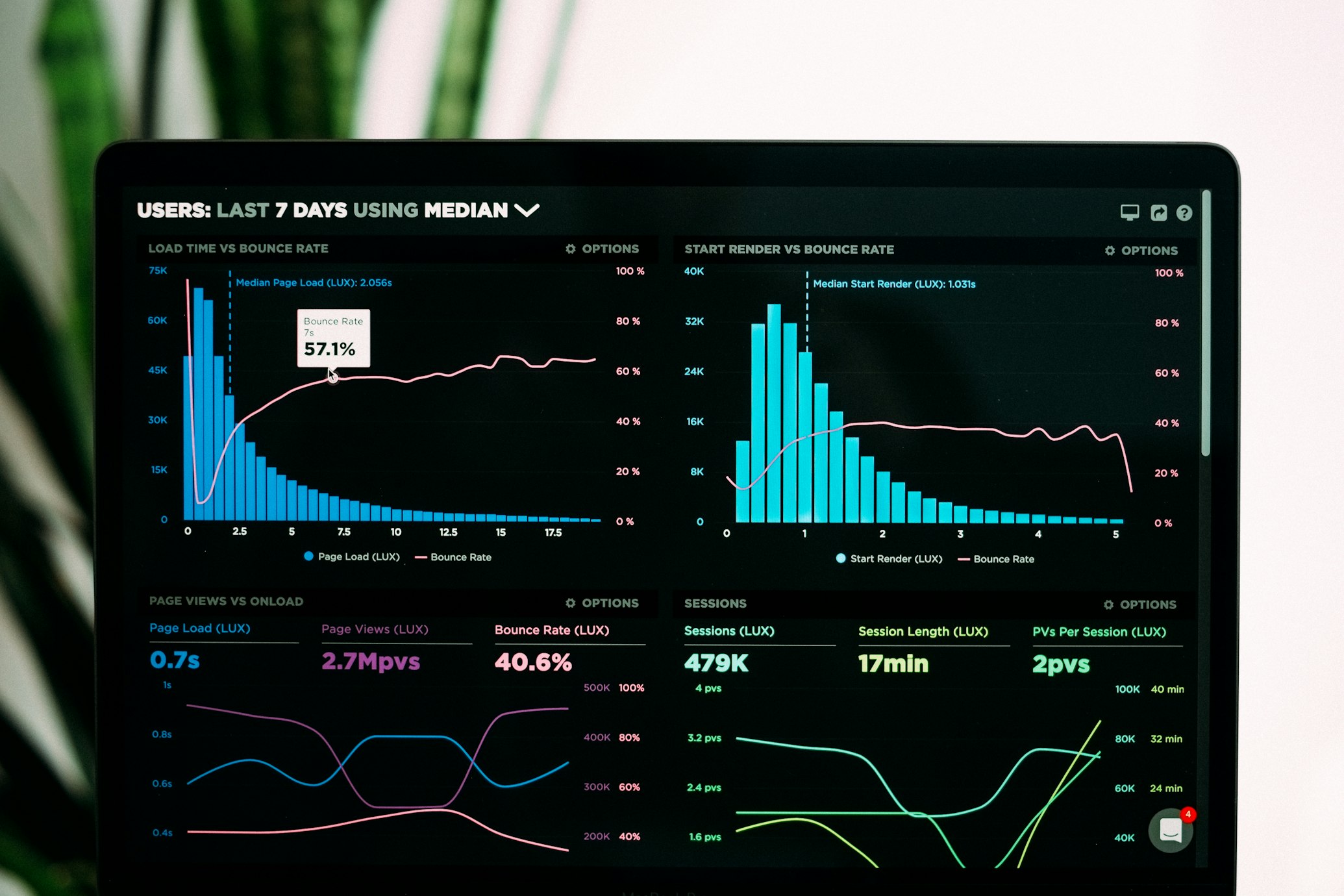
There is a persistent myth in business that "Design" is an expense, a cost center that makes things look pretty. This perspective is dangerously outdated. In the digital economy, Design—specifically High-Performance Design—is a revenue multiplier.
The 100ms Rule
Amazon, the world's most data-driven retailer, famously discovered that every 100ms of latency (a tenth of a second) cost them 1% in sales. This metric has held true across the industry for a decade.
Consider the math: If your website generates $1M/year, a 1-second delay isn't just annoying; it's costing you $100,000 to $200,000 in lost revenue. This phenomenon occurs due to Cognitive Friction. When an interaction lags, the user's brain disengages slightly. Multiply that by 50 interactions a session, and you lose the user.
Core Web Vitals: Google's New Currency
Google has stopped keeping its ranking factors a secret. They have explicitly stated that Core Web Vitals (CWV) are a ranking signal. These include:
- LCP (Largest Contentful Paint): How long until the main content is visible? (Target: < 2.5s)
- FID (First Input Delay): How long until the page reacts to a click? (Target: < 100ms)
- CLS (Cumulative Layout Shift): Does the page jump around while loading? (Target: < 0.1)
A beautiful website that fails these metrics is like a Ferrari with no engine. It looks great in the garage, but it won't win the race.
The Psychology of "Premium"
Speed implies competence. When a user clicks a button and the feedback is instantaneous (under 50ms), they subconsciously attribute "quality" and "trustworthiness" to the brand. When a site lags, feels heavy, or janks, the brand perception drops immediately.
At Shivkara, we treat performance as a design constraint. We use tools like Framer Motion for animations that run on the GPU (compositor thread) rather than the CPU, ensuring buttery smooth 60fps interactions even on mobile devices.
Case Study: The Pinterest Rebuild
When Pinterest rebuilt their mobile web experience to be faster, they saw a 40% increase in time spent on site and a 15% increase in SEO traffic and sign-ups. The content didn't change. The features didn't change. Only the performance changed.
Investing in high-performance web architecture (like Next.js) is not an IT cost. It is a marketing investment with a measurable, clear ROI.
Written By
Shivkara Team
Editor @ Shivkara Digital